Booking Records in San Diego County
San Diego County maintains detailed booking and release records for individuals in custody at county detention facilities. The San Diego Sheriff's Department operates the Who's in Jail database, which provides public access to current inmate information across all county jails. This system allows anyone to search for booking records using name, booking number, or other identifying information. San Diego County holds around 5,000 people in its jail system daily. The main detention facilities include the San Diego Central Jail, George Bailey Detention Facility, East Mesa Reentry Facility, Las Colinas Detention and Reentry Facility, South Bay Detention Facility, and Vista Detention Facility. All booking information becomes public under California law.
San Diego County Quick Facts
- Population: 3,298,634
- County Seat: San Diego
- Jail Capacity: Approximately 5,400 beds
- Judicial Circuit: Fourth Appellate District
San Diego Sheriff Online Inmate Search
The primary resource for finding booking records in San Diego County is the Who's in Jail database maintained by the San Diego County Sheriff's Department. This online system updates throughout the day as bookings occur and inmates are released. You can search by first and last name together or use a booking number if available. The system displays current custody status, facility location, booking date, charges, bail amount, and expected release date if set. Most records appear within a few hours of booking. Results show all active custody records for San Diego County detention facilities.
Anyone can access the Who's in Jail system without registration. Enter partial or complete names to generate matches. The system does not require exact spelling. If your search produces too many results, add additional details like age or booking date range to narrow findings. Some records may not appear if the person has been released, transferred to another agency, or if the booking is sealed by court order. The database only includes current inmates and does not maintain historical records beyond release dates.
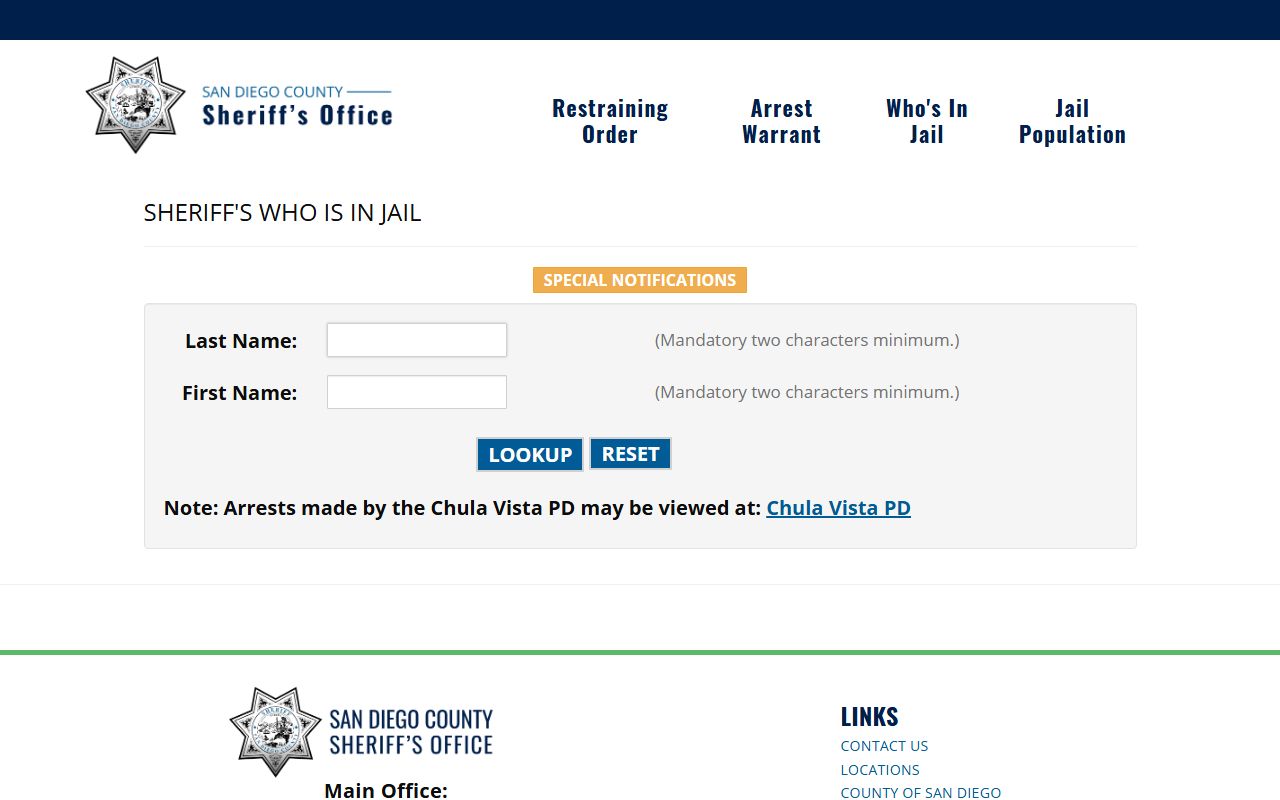
The online search provides basic custody information. For more detailed records, you may need to submit a formal request.
Requesting Full Arrest and Booking Reports
For complete arrest reports, booking documents, or historical records, contact the San Diego Sheriff's Department Records Unit. These requests fall under the California Public Records Act. State law requires disclosure of specific arrestee information including full name, physical description, arrest time and date, booking time and date, location of arrest, circumstances of arrest, bail amount, release method or current location, and all charges filed.
Under California Government Code Section 7923.610, agencies must provide this information unless disclosure would endanger someone involved in the investigation. Most basic booking data is available without restriction. Records may be requested in person, by mail, by phone, or through online portals depending on the department's systems. Processing typically takes 10 days under state law, though some requests resolve faster.
San Diego Sheriff's Department processes records requests through multiple channels. Visit the department in person at any station, call the Records Unit, or mail your request. Some records require a fee for copying costs. Victims of crimes can often obtain reports without charge. The department responds within 10 business days to acknowledge receipt and provide an estimated completion date. Complex requests may take longer.
What Information Appears in Booking Records
California law mandates specific data elements in every booking record. These details are public once the booking is complete. All San Diego County bookings include arrestee name and any known aliases. Physical description contains date of birth, eye color, hair color, sex, height, and weight. Records list both arrest time and booking time. Location of arrest gets documented. The factual circumstances of the arrest appear in narrative form.
Bail amount is listed if set by the court. Current custody status shows whether the person was released on bail, own recognizance, citation, or remains in custody with the facility name. All charges filed at booking are documented, including any outstanding warrants from other jurisdictions. Parole holds and probation violations are noted. Some records also include mugshots, fingerprint classifications, and prior booking history depending on the agency's database capabilities.
California Penal Code Section 13125 establishes minimum standards for what gets recorded. Every arrest generates a state record through the California Department of Justice. Local agencies maintain their own systems with additional details. San Diego County's database includes facility assignments, housing units, scheduled court dates, and classification levels. These extra fields help jail staff manage custody but also inform the public about inmate status.
Six Major Detention Facilities
San Diego County operates multiple detention facilities across the region. The largest is San Diego Central Jail, located downtown at 1173 Front Street. This facility handles most male bookings and houses maximum security inmates. George Bailey Detention Facility at 446 Alta Road in San Diego provides additional housing for sentenced and un-sentenced male inmates. East Mesa Reentry Facility focuses on inmates nearing release with reentry programming.
Las Colinas Detention and Reentry Facility in Santee serves as the primary women's jail. This facility at 451 Riverview Parkway provides medical, mental health, and substance abuse services. South Bay Detention Facility in Chula Vista houses both male and female inmates with lower security classifications. Vista Detention Facility serves the North County area. Each location processes bookings and releases throughout the day.
All facilities connect to the central Who's in Jail database. When searching for someone, you don't need to know which facility they're in. The system searches all locations simultaneously. Records show the specific facility name once a match is found. Transfer between facilities may cause temporary delays in database updates.
Understanding Release Information
Release records provide important information about when and how someone left custody. San Diego County documents several release types. Release on bail occurs when someone posts the full amount or uses a bail bond service. Release on own recognizance happens when the court allows release without payment based on the person's ties to the community and the charges filed. Citation release means the person was released at the scene or shortly after booking with a notice to appear in court.
Some releases involve time served for short sentences. Probation releases occur when someone completes a sentence and begins supervision. Transfer releases happen when another agency takes custody for different charges or warrants. The Who's in Jail database typically shows recent releases with the date and time. Historical release information may require a records request.
California law requires notification systems for victims. The Victim Information and Notification Everyday system allows registration to receive alerts when an inmate is released. This service is free and confidential. Visit VINELink to register.
Access to California State Prison Records
San Diego County jails hold people awaiting trial or serving sentences up to one year. Longer sentences are served in state prison. If someone is not found in county records, they may be in state custody. California operates the California Incarcerated Records and Information Search system for state prisoners. This database includes anyone held by the California Department of Corrections and Rehabilitation.
State prison records show CDCR number, current location, admission date, commitment county, and parole hearing information. San Diego County sends many convicted inmates to state facilities. The commitment county remains San Diego even when housed elsewhere. Both systems should be checked when searching for someone.
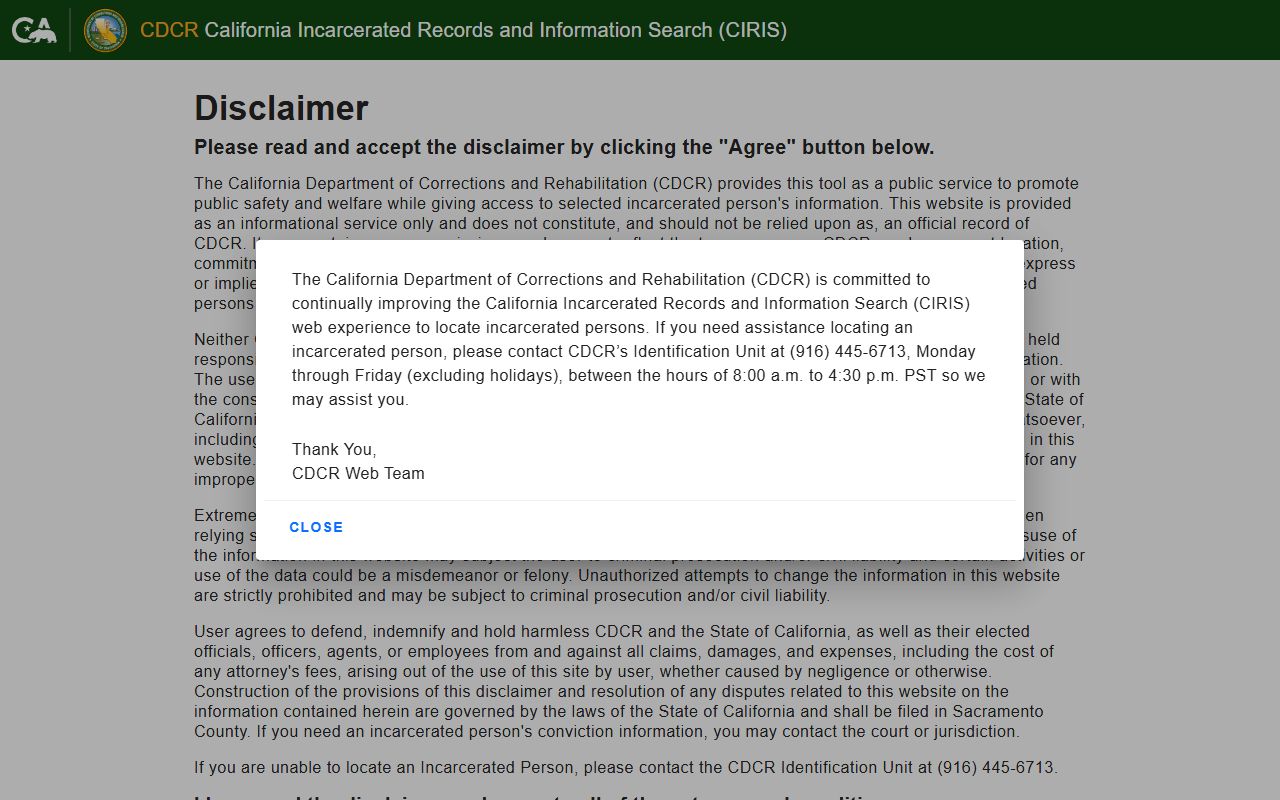
State records include inmates from all California counties currently housed in CDCR facilities.
Criminal History Background Checks
Booking records differ from full criminal history reports. A booking record documents one arrest. A criminal history includes all arrests, charges, and dispositions over time. California DOJ maintains these summary criminal history records, also called RAP sheets. Access to these records is restricted by law. Only the subject of the record or authorized agencies may request them.
Individuals can obtain their own criminal history by submitting fingerprints and a $25 fee through the DOJ Record Review program. California residents must use Live Scan fingerprinting. Out-of-state residents submit manual fingerprint cards. California Penal Code Section 11105 governs who can access these records. Third-party requests are not authorized.
Employers and licensing agencies use authorized channels to conduct background checks. These organizations cannot legally require applicants to provide their own copy. Individuals who find errors can challenge their record using Form BCIA 8706. Processing takes 2 to 3 days for most requests, sometimes up to 2 weeks for complex records.
Legal Framework for Public Access
California's public records laws create strong rights to access booking information. The California Public Records Act in Government Code Sections 7920.000 through 7931.000 establishes the framework. Agencies must respond to requests within 10 days. This response may be the actual records or a timeline for production. Extensions of up to 14 days are allowed for unusual circumstances.
Fees can be charged only for direct duplication costs. Staff time for searching and redacting is generally not billable to the requester. Most agencies charge per page for copies. Electronic records often have lower or no fees. Government Code Section 7923.610 specifically requires disclosure of arrestee information. This statute lists exactly what must be made public.
Some exemptions exist. Active investigation files are protected under Government Code Section 7923.600. Juvenile records have different rules. Sealed records and expunged cases should not appear in public searches. Medical and mental health information is redacted. Most basic booking data has no exemption.
Major Cities in San Diego County
San Diego County includes several large cities with their own police departments. While these agencies make arrests, booking and detention are handled by the county sheriff. San Diego is the county seat and largest city. Chula Vista in the South Bay area is the second largest. Oceanside serves the North County coastal region. All arrestees from these cities are booked into county facilities and appear in the Who's in Jail database.
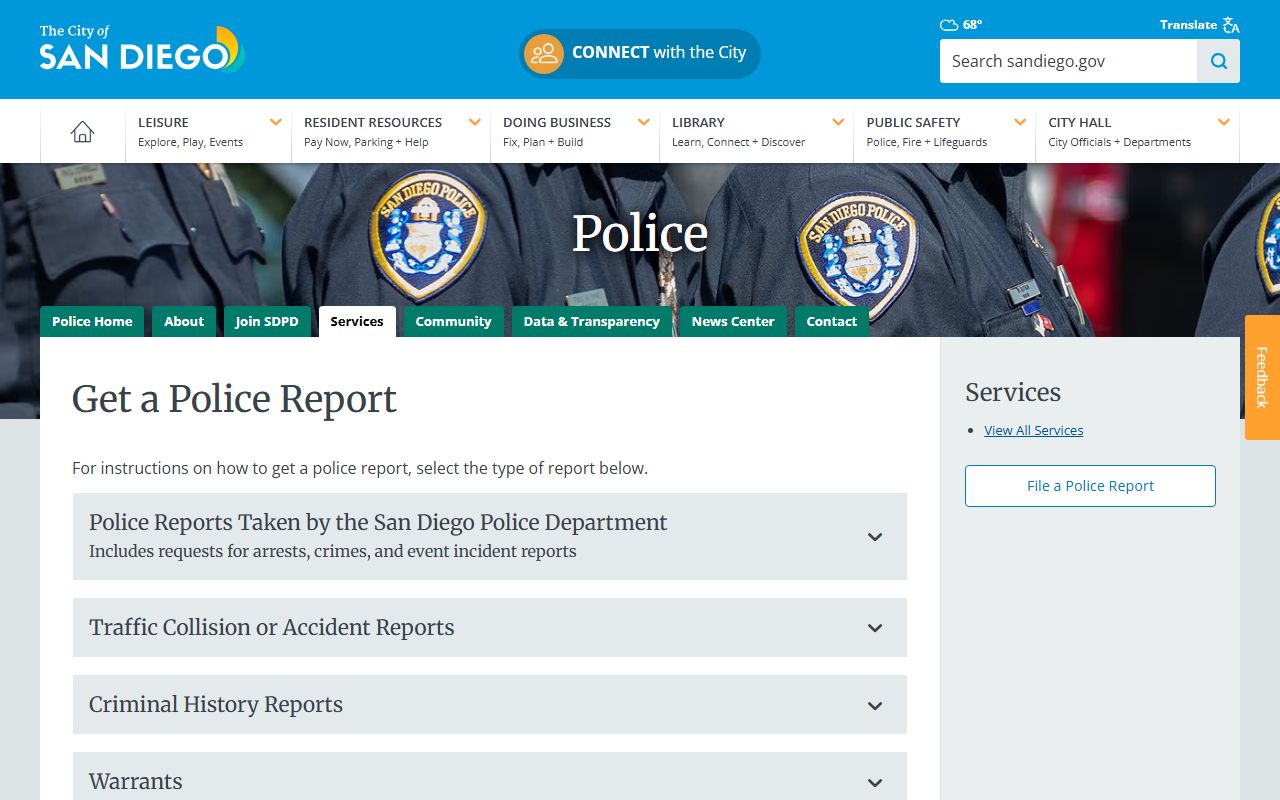
San Diego Police Department operates its own records division for police reports and incident documentation. Their records request system handles police reports separately from booking records. For custody information, always check the county sheriff's system regardless of which police agency made the arrest.
City police departments submit booking information to the county sheriff within hours of arrest.
Using Public Records for Background Research
Many people search booking records for personal reasons. Landlords check potential tenants. Families search for missing relatives. Researchers study arrest patterns. Journalists investigate trends. California law allows all these uses. Public access to booking records serves transparency. Anyone can view this information without stating a reason.
However, California restricts how individuals can share their own criminal history. Penal Code Section 11142 prohibits giving your criminal record to unauthorized third parties. Employers cannot require you to provide your RAP sheet. These rules prevent misuse while maintaining public access to booking logs and arrest information maintained by local agencies.
Booking records show arrests, not convictions. An arrest does not prove guilt. Charges may be dropped or reduced. Some cases result in acquittal. Using booking information for decisions requires understanding these limitations. The records represent what happened at the time of booking, not final outcomes.
Nearby Counties
San Diego County borders several other counties, each with separate jail systems. Orange County to the north maintains its own booking system. Riverside County to the northeast operates multiple detention facilities. Imperial County to the east covers the border region. Each county has distinct databases and procedures. Records do not cross county lines automatically, though warrants and holds from other counties appear in San Diego bookings.
If someone is not found in San Diego County records, check neighboring counties. People arrested near county borders may be booked elsewhere. Interstate warrants also cause transfers. Mexico border proximity adds complexity to some cases.
Note: California has 58 counties. Each maintains its own detention facilities and booking records.